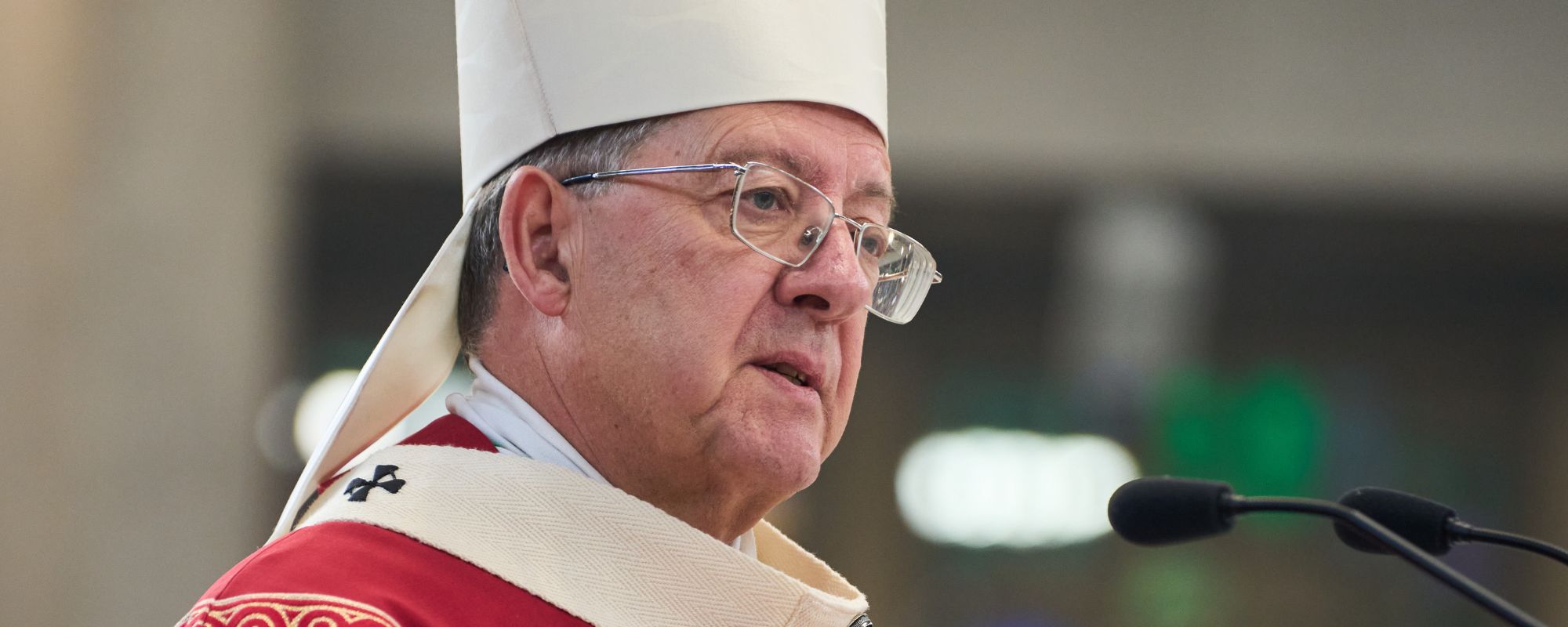
The Most Reverend John Sherrington, Archbishop of Liverpool and chair of the Department for Social Justice for the Bishops’ Conference, has issued a statement on the Draft Conversion Practices Bill that has been shared with Parliament to undergo pre-legislative scrutiny:
“I would like to express serious concern about the provisions of the Conversion Practices Bill currently undergoing pre-legislative scrutiny before it is discussed in Parliament. The Bill is very broad in its scope.
“The Bill defines ‘conversion practices’ as conduct towards someone which intends to make a person have, or not have, a particular sexual orientation or transgender identity, or make them believe they have or do not have such an identity.
“A ‘conversion practice’ will be defined in law to be ‘abusive’ if the practice causes either serious harm to a person’s physical or mental health, or serious alarm or distress that substantially affects the person’s day-to-day life. Such abusive practices will be offences in law.
“The Catholic Church opposes abuse in all circumstances and so, we recognise that it is important for Governments to use appropriate legislation to protect people from harm and abuse. Current legislation, however, already covers such abusive practices and makes them illegal.
“This Bill proposes to extend the legal definition of abusive practices in ways that threaten a person’s fundamental rights, including freedom of religion or belief and freedom of expression. The legislation will also create uncertainty around lawful pastoral care by the Church, family life and open conversations that can take place in a range of social settings.
“There are clearly a range of scenarios under this proposed legislation in which legal action of various types may be taken against individuals or organisations, including parents of children, who express well-informed opinions and make well-intentioned statements.
“We are concerned that this legislation will challenge the Church’s ability to fulfil its calling to ‘proclaim an authentic understanding of the human person with clarity, simplicity, love and respect.’ People of faith must remain free to express their beliefs through speech and prayer.
“We call on politicians to abandon this Bill and focus instead on enforcement of existing protections and accessible support for anyone facing abuse or coercion.”