


By Simon Hart


.jpg)
Fathers Philip Inch and Simon Gore, Liverpool Youth Pilgrimage directors past and present, share their memories – and reflect on Lourdes’ impact on young people from this archdiocese over the years.
Father Philip Inch
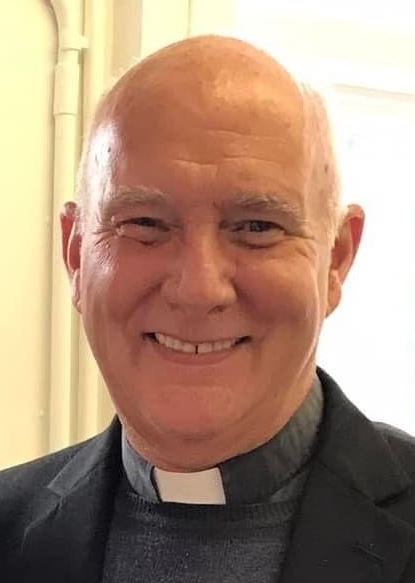
“The first thing I did after ordination was go on the Lancashire coach as a chaplain in 1982. I did that for five years and then Archbishop Derek Worlock asked me to shadow Father Pat Harnett, then running the youth pilgrimage, with the intention of taking over which I did at the end of that decade until 1999.
“One of the big differences from now is we’d stop for two nights on the way there. We’d stop in a youth hostel in northern France, somewhere like Amiens, and then we'd all gather in Poitiers in an enormous youth hostel for the second night.
“The real start of the pilgrimage was when the Liverpool train rolled into the station in Lourdes and the youth would be waiting for them. The whole platform would be lined with yellow shirts singing. It was a great welcome for those who'd come on the train but a pain to organise because the train was often late and those were the days before mobile phones. The Youth Mass was always a highlight too. We assisted at the other Masses but in the Youth Mass, you had more freedom to be creative. Archbishop Worlock would often use that as a moment to ask young people ‘Why not become a priest?’ and other questions.
“Archbishop Worlock was also responsible for bringing in the yellow T-shirts, in place of red, after the Heysel Stadium disaster in 1985. We had the Over-18s group who were still allowed to wear red shirts and it was a kind of progression: you went from yellow to red.
“For our young people, Lourdes was faith in action and it was also always a tremendous prayer experience. They might end up going to Mass two or even three times a day if they were helping groups and nobody would ever complain. Moreover, we introduced the idea of each coach having its own prayer services so, for example, they’d lead night prayers for each other. In a sense you were training young leaders and, as a result, we developed a good youth leadership team in Lancashire. Lourdes wasn't just a one-off but fed into other things.”
Father Simon Gore
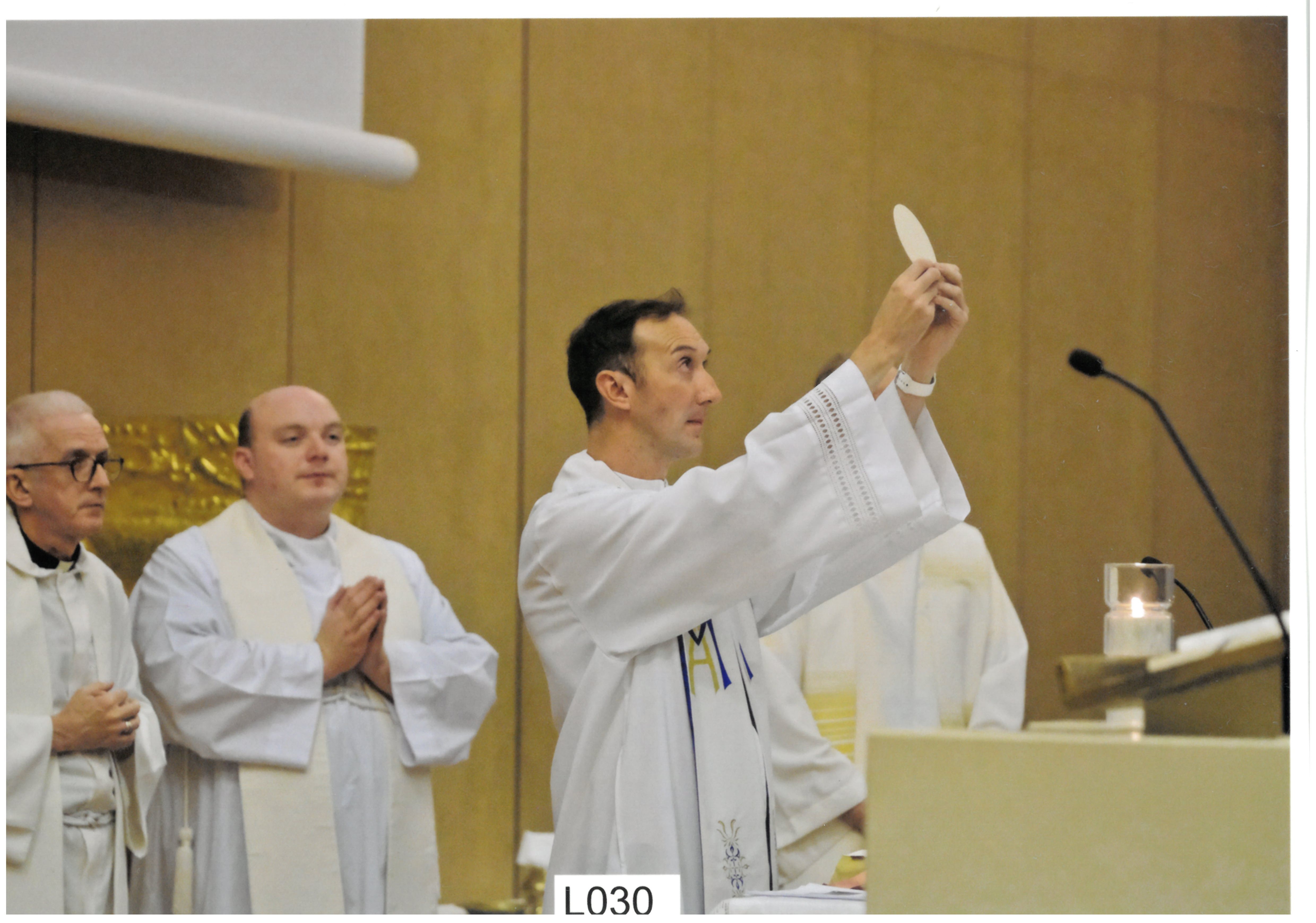
“My first pilgrimage as a priest was in 2007, the summer I was ordained. It was the first year they’d introduced a second coach for Lancashire, Coach 8, and they needed a priest. Six years later, I took over the running of the youth pilgrimage from Father Stephen Pritchard.
“We've always had the biggest youth pilgrimage in the country and, even after COVID, when we had to restart in 2022 having lost numbers over that intervening period, we still had the biggest pilgrimage. Last year, we had 280 youth pilgrims and this year it’ll be 310. I think there's something about the Archdiocese of Liverpool – the idea of social justice and Catholic social teaching has always seemed to have a big impact here because we can see where the need might be. And so young people in this area want to put their faith into action.
“Following the pandemic, it took a couple of years to get the culture of the pilgrimage back. That’s not to say that 2022 and '23 weren’t good years but when you've had a break like that, it can take a little time to remind yourselves of what the pilgrimage is and for the coaches to regain their identity. Ultimately, if you listen to people who went in 1976 and see the original foundational document, the essential points have probably remained the same for 50 years. There are little changes – the pilgrims you work with and the hotels you stay in, and the town itself changes – but it remains a time of service to the assisted pilgrims, a time of community with the young people gathered together, and a sense of joy around the place. Maybe that’s the reason it's remained as popular, because young people that sign up know what they're going into and what’s expected of them.”
.jpg)
.jpg)